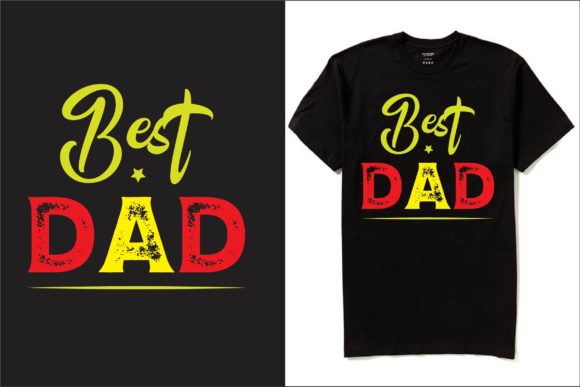
Best Dad T-shirt Design
A Real-World Embroidery Evaluation
As a designer who’s stitched countless projects—from custom apparel to holiday gifts—I’ve seen my fair share of embroidery designs. Today, I’m evaluating Best Dad T-shirt Design with the mindset of someone preparing for a real project. This isn’t just about aesthetics; it’s about how well this design holds up in practical use, from a handmade tote bag to a personalized gift.
The First Impression
At first glance, Best Dad T-shirt Design is a lighthearted, humorous take on the classic “Dad” theme. The layout is clean and uncluttered, which makes it immediately approachable. The visual personality feels friendly and relatable, perfect for a casual audience. It doesn’t try to be overly complex or artistic—it just gets the job done with a touch of wit.
The design’s shape is straightforward, making it ideal for flat surfaces like t-shirts, mugs, and book covers. However, its simplicity also means it might not be as versatile for curved or textured items. That said, its low detail level could work well for small hoop sizes or delicate fabrics.
Real-Life Use Cases
When considering where Best Dad T-shirt Design fits best, I think of several practical applications. For instance, if I were creating a custom embroidered tote bag for a local boutique, this design would add a playful element without overwhelming the product. Similarly, it could be used on baby clothes, adding a fun twist to a child’s outfit.
For a holiday gift, Best Dad T-shirt Design could be printed on a cap or a pillow cover, offering a personalized touch that’s both meaningful and easy to produce. It also has potential for commercial embroidery projects, especially if used in a consistent brand identity across multiple products.
However, I’d caution against using this design on items that require high detail, such as embroidered patches or aprons with intricate patterns. The simplicity of the design may not translate well to those applications, where more complexity is expected.
Considerations for Embroidery Success
Before stitching, I always recommend testing the design on scrap fabric. With Best Dad T-shirt Design, I’d check how the thread colors interact with different fabric textures. A high-contrast color scheme can make the design pop, but poor thread choices could result in a dull or unclear finished product.
Stitch density is another key factor. If the design is intended for a large hoop size, the stitch count should be appropriate to maintain clarity. On the other hand, if it’s meant for smaller hoops, the details need to be refined to avoid being too dense or too sparse.
Also, consider the fabric type. Dark or textured fabrics may require additional stabilizer to prevent puckering or distortion. Light-colored fabrics, on the other hand, might highlight the design more effectively, depending on the thread colors chosen.
Design Quality and Practical Value
Best Dad T-shirt Design is a solid choice for designers looking to create a friendly, recognizable design that can be easily adapted for various products. Its editable source file and CMYK print-ready format make it a versatile asset for both personal and commercial use.
From a customer perspective, the design’s humor and familiarity could increase engagement and appeal. It’s the kind of design that people can instantly relate to, which is great for gift-giving or branding. However, the lack of detailed accents might limit its ability to stand out in a crowded market unless paired with other elements.
For Etsy sellers or small shop owners, this design could serve as a foundation for a broader collection of themed products. It’s easy to scale and adapt, making it a valuable addition to a craft business.
Practical Designer Notes
- Test on Scrap Fabric: Always test the design before committing to a final product. This helps catch any issues with thread contrast, stitch density, or overall clarity.
- Check Thread Color Contrast: Ensure the thread colors provide enough contrast against the fabric to maintain visibility, especially on dark or textured materials.
- Review Stitch Density: Confirm that the stitch count is appropriate for the intended use—too dense can cause puckering, while too sparse may look unfinished.
- Confirm Hoop Size: Choose a hoop size that matches the design’s dimensions to ensure optimal stitching results.
- Inspect Small Details: Look closely at the corners, lettering, and decorative elements to ensure they’re clear and well-defined.
- Use Proper Stabilizer: Depending on the fabric type, use the right stabilizer to prevent shifting or distortion during embroidery.
- Test in Black and White Mockups: This helps identify any hidden flaws in the design before applying colors.
- Compare Light and Dark Backgrounds: See how the design looks on different fabric types to ensure it remains visually appealing in all contexts.
- Check Licensing Terms: Before selling finished items or digital products, confirm the licensing rights to avoid legal issues.
Final Thoughts
Best Dad T-shirt Design is a great option for those looking to create a friendly, recognizable design that can be applied to a variety of products. While it may not be the most intricate or detailed design, its simplicity makes it highly adaptable for both personal and commercial use.
If you’re planning to use this design in a custom apparel project, a handmade product, or a personalized gift, remember to test it thoroughly and consider the fabric and context carefully. With the right preparation, Best Dad T-shirt Design can become a standout piece in your design portfolio or a hit in your craft business.